How to remove standing water from your yard
Discover effective methods for removing standing water from your yard in Conroe to protect your property and health.
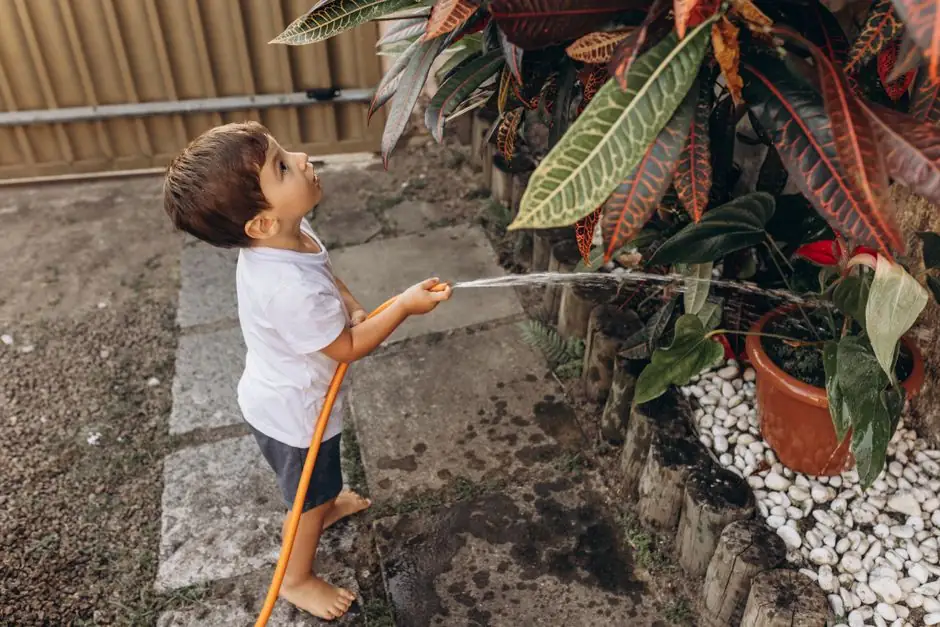
To remove standing water from your yard, start by identifying drainage issues and implementing effective solutions. This guide covers methods and tips to help homeowners in Conroe deal with standing water effectively.
Standing water is water that accumulates in low-lying areas of your yard, often due to poor drainage or heavy rainfall. It can lead to various problems, including lawn damage and health risks.
What is standing water?
Standing water refers to water that is not draining properly and remains in one place for an extended period. In Conroe, this can occur after heavy rains or due to inadequate yard grading.
Why is standing water a problem?
Standing water can cause several issues, including lawn deterioration, mosquito breeding, and even structural damage to your home. In Conroe, where humidity is high, stagnant water can quickly become a breeding ground for pests.
How to remove standing water from your yard
To effectively remove standing water in Conroe TX, follow these steps:
- Identify the Source: Determine where the water is accumulating and why. Look for blocked drains, poor grading, or compacted soil.
- Improve Drainage: Install or repair drainage systems such as French drains or surface drains. Proper drainage helps redirect water away from problem areas.
- Use a Pump: If the water is substantial, consider using a sump pump or a submersible pump to remove excess water quickly.
- Excavate if Necessary: In severe cases, excavating the area to improve the slope can help facilitate drainage.
- Soil Aeration: Aerate the soil to improve water absorption. This method helps reduce pooling by allowing water to penetrate deeper into the ground.
- Add Soil Amendments: Incorporate organic matter or sand to improve soil structure and drainage capabilities.
Best ways to remove standing water in your yard
Some of the best ways to remove standing water in your yard include:
- Drainage Solutions: Installing a rain garden can help absorb excess water while providing aesthetic value.
- Grading: Ensure your yard slopes away from your home to prevent water accumulation.
- Dry Wells: Create dry wells to collect and disperse water underground, reducing surface pooling.
- Landscaping: Planting native plants that thrive in wet conditions can help absorb excess moisture.
Common mistakes to avoid
When dealing with standing water, avoid these common mistakes:
- Ignoring the problem: Failing to address standing water can lead to more severe issues.
- Poor drainage installation: Ensure that any drainage solutions are correctly installed and maintained.
- Using chemicals: Avoid using chemicals to eliminate standing water, as they can harm your yard and local wildlife.
When to call a professional
Consider hiring professionals like Conroe Water Removal if you encounter persistent standing water issues that you cannot resolve. Professionals can assess the situation and implement effective solutions tailored to your property's needs.
Frequently Asked Questions
What are the dangers of standing water in my yard? Standing water can lead to mosquito breeding, mold growth, and damage to your lawn and landscape.
How much does standing water removal cost in Conroe? Typical costs for standing water removal in 2026 range from $500 to $2,000, depending on the severity and required solutions.
What tools do I need to remove standing water? Essential tools include shovels, pumps, and drainage materials like perforated pipe or gravel.
How can I prevent standing water in my yard? Regular maintenance, proper grading, and installing drainage solutions can help prevent standing water.
Can I remove standing water myself? Yes, many homeowners can handle minor issues, but severe cases may require professional assistance.